

Armando Díaz •
Artificial Intelligence: The Technology Redefining the Economy and Everyday Life
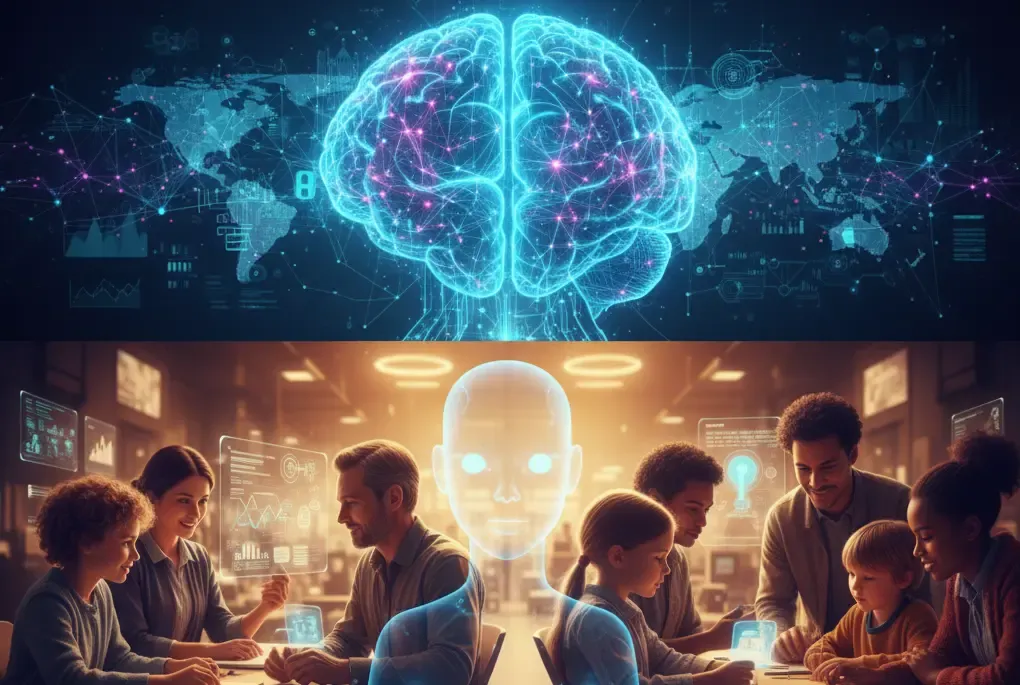
The rise of AI is transforming industries, labor markets, and the way people work and interact with technology.
PressArtificial Intelligence
Clinical practice in psychiatry and psychology demands diagnostic precision, comprehensive contextual analysis, and evidence-based decision-making. In an environment where consultation time is limited and case complexity continues to grow, structured support tools are becoming essential.
Seneca is an Artificial Intelligence clinical assistant designed to support psychiatrists and psychologists during patient consultations. It functions as a structured clinical copilot, organizing information, suggesting analytical pathways, and strengthening clinical reasoning—without replacing professional judgment.

Seneca has been developed with a focus on the most prevalent mental health conditions in the region, aligned with international diagnostic standards such as the DSM-5-TR and the ICD-11, and supported by protocols reviewed by specialized medical committees.
Its purpose is not to automate medicine, but to:
Based on the information entered by the clinician, Seneca:
This enables clinicians to quickly visualize key elements of the case and maintain diagnostic clarity.
One of the primary challenges in mental health care is distinguishing between disorders with overlapping symptomatology. Seneca analyzes symptom patterns and suggests structured differential diagnoses, helping clinicians consider:
The system does not impose a diagnosis; rather, it broadens and organizes clinical consideration.
Seneca integrates specific modules to support evaluation of:
This structured approach reduces the likelihood of overlooking critical information and enhances patient safety.
When areas require deeper clarification, Seneca suggests additional clinical questions to help:
This transforms the system into a dynamic guide that enhances the quality and depth of the clinical interview.
Based on evidence-based guidelines and specialist-reviewed protocols, Seneca can propose:
All recommendations are designed as supportive guidance—not as a substitute for clinical expertise.
Integrating an assistant like Seneca into psychiatric and psychological care can generate meaningful benefits:
As demand for mental health services continues to grow globally, tools like Seneca strengthen clinical quality while preserving the human-centered nature of care.
Seneca has been designed under principles of:
Its mission is clear: to support mental health professionals so they can focus on what matters most—the patient.
Artificial intelligence in psychiatry and psychology is not about replacing clinical expertise—it is about amplifying it. Seneca represents a step toward more structured, safer, and more efficient practice, integrating technology with medical knowledge to improve mental healthcare delivery.
In a clinical landscape marked by increasing complexity and limited time, having an intelligent assistant can make the difference between a standard evaluation and a truly comprehensive one.



The rise of AI is transforming industries, labor markets, and the way people work and interact with technology.
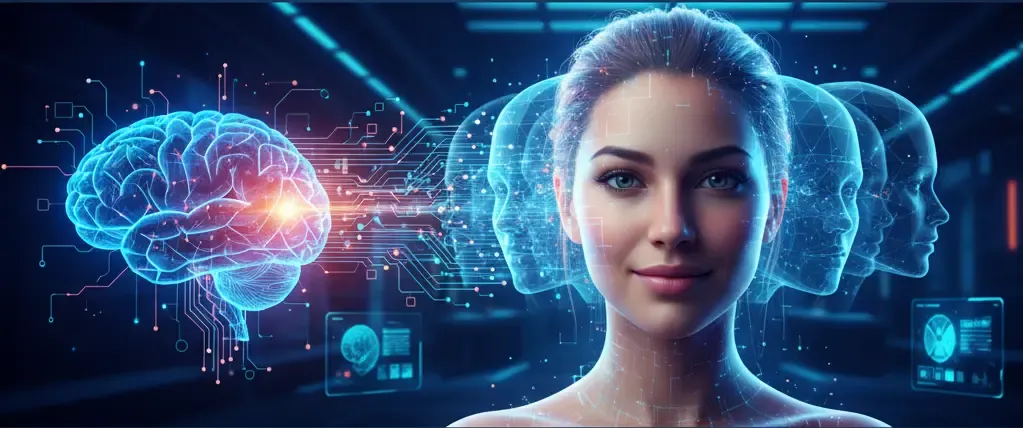
Empathy, Natural Language, and Human–AI Communication

An Advanced AI Agent Supporting Early Patient Evaluation, Differential Diagnosis, Personalized Treatment Planning, and Secure Healthcare Integration
Less paperwork. Better decisions. More time with patients
Get exclusive insights, invites and more with our weekly workplace learning newsletter